
Here's the part many readers miss: a REC is a flag for potential risk. It is not proof that contamination exists, and it does not automatically kill a deal. Roughly a third of Phase I ESAs identify at least one REC, historical REC, or controlled REC, and most of those transactions still close.
This guide walks through the ASTM E1527-21 definition, how RECs differ from related classifications, common REC scenarios, how environmental professionals actually find them, and what a REC means for your transaction. We'll close with a practical action plan for what to do next.
Key Takeaways
- A REC flags presence, likely presence, or material threat of a hazardous release—not confirmed contamination.
- RECs, HRECs, CRECs, and de minimis conditions are distinct—and each drives different follow-up and controls.
- Phase I ESAs use records, interviews, and site visits; Phase II adds sampling to confirm or rule out concerns.
- Question each REC finding, assess liability exposure, and get professional guidance before you act.
What Is a Recognized Environmental Condition?
Under ASTM E1527-21, a recognized environmental condition (REC) means one of three things:
- Hazardous substances or petroleum products are present at a property because of a release
- They are likely present because of a release or likely release
- Conditions exist that pose a material threat of a future release
A minor, low-risk issue that doesn't meet this threshold is a de minimis condition and isn't treated as a REC. ASTM's E1527-21 standard spells out this definition and was last updated in December 2021.
Notice what's missing from that definition: certainty. A REC is a professional conclusion, built from available evidence, not a laboratory result.
REC vs. Confirmed Contamination
A REC tells you a concern is credible enough to warrant attention. Confirming the actual type, concentration, and extent of contamination almost always requires further investigation, typically a Phase II ESA with soil or groundwater sampling.
The classification depends heavily on context. An Environmental Professional weighs:
- Current and historical property uses
- The surrounding environmental setting (soil type, groundwater depth, nearby water bodies)
- Adjoining and nearby property conditions
- Regulatory database records and prior environmental reports
- Physical or documentary evidence of a release or threatened release
What a REC Does Not Mean
A REC finding doesn't automatically:
- Establish that the current owner caused the contamination
- Guarantee that cleanup is legally required
- Determine who bears final financial responsibility
Why this matters for compliance: EPA recognizes ASTM E1527-21 as a way to satisfy All Appropriate Inquiries (AAI) requirements under 40 CFR Part 312. Completing AAI is one condition for certain CERCLA landowner liability protections, including the innocent landowner and bona fide prospective purchaser defenses.

EPA is clear that AAI alone doesn't confer that protection. Continuing obligations after acquisition still apply. Confirm current EPA and ASTM guidance before relying on this for a specific transaction, since requirements can be updated.
REC, HREC, CREC, and De Minimis Conditions
Not every environmental finding carries the same weight. ASTM E1527-21 recognizes four distinct categories, and mixing them up can lead to costly assumptions.
| Classification | What it means | Active concern? |
|---|---|---|
| REC | Actual or likely release, or material threat of future release | Yes |
| HREC (Historical REC) | Past release addressed to the regulator's satisfaction; meets unrestricted-use criteria with no required controls | No |
| CREC (Controlled REC) | Release addressed to the regulator's satisfaction, but contamination remains subject to controls (deed restrictions, engineering controls, monitoring) | Yes, in a limited sense |
| De minimis condition | Minor issue generally posing no health or environmental threat | No |
The Practical Question for Each Classification
For any finding, work through these checks:
- Is there an active concern?
- Has it been addressed to regulatory satisfaction?
- Do controls remain in place?
- Is further action likely?
Those answers separate the categories in practice. A CREC still counts as a REC in the report's conclusions because obligations and restrictions remain. An HREC does not, because it met unrestricted-use criteria without ongoing controls.
One caution: don't reclassify a finding yourself based only on a report summary. The Environmental Professional must review the actual regulatory closure documentation, any remaining restrictions, and the property's intended use before confirming whether a past release qualifies as historical or controlled.
Common REC Examples and Situations
Certain property types and land uses come up repeatedly in Phase I ESAs. That said, use alone doesn't establish a REC; evidence of an actual or likely release does.
Industrial and Commercial Sources
Properties that commonly warrant closer scrutiny include:
- Former gas stations and petroleum storage areas
- Auto repair and body shops
- Industrial and manufacturing operations
- Chemical storage or mixing facilities
- Dry cleaners using solvent-based processes
A 2024 Phase I ESA for a former filling station at 167 Main Street in Concord, Vermont, classified the site's fuel dispensers and petroleum underground storage tanks as a REC and recommended further subsurface assessment. The report did not conclude that the tanks were actively leaking.
Agricultural and Rural Property Considerations
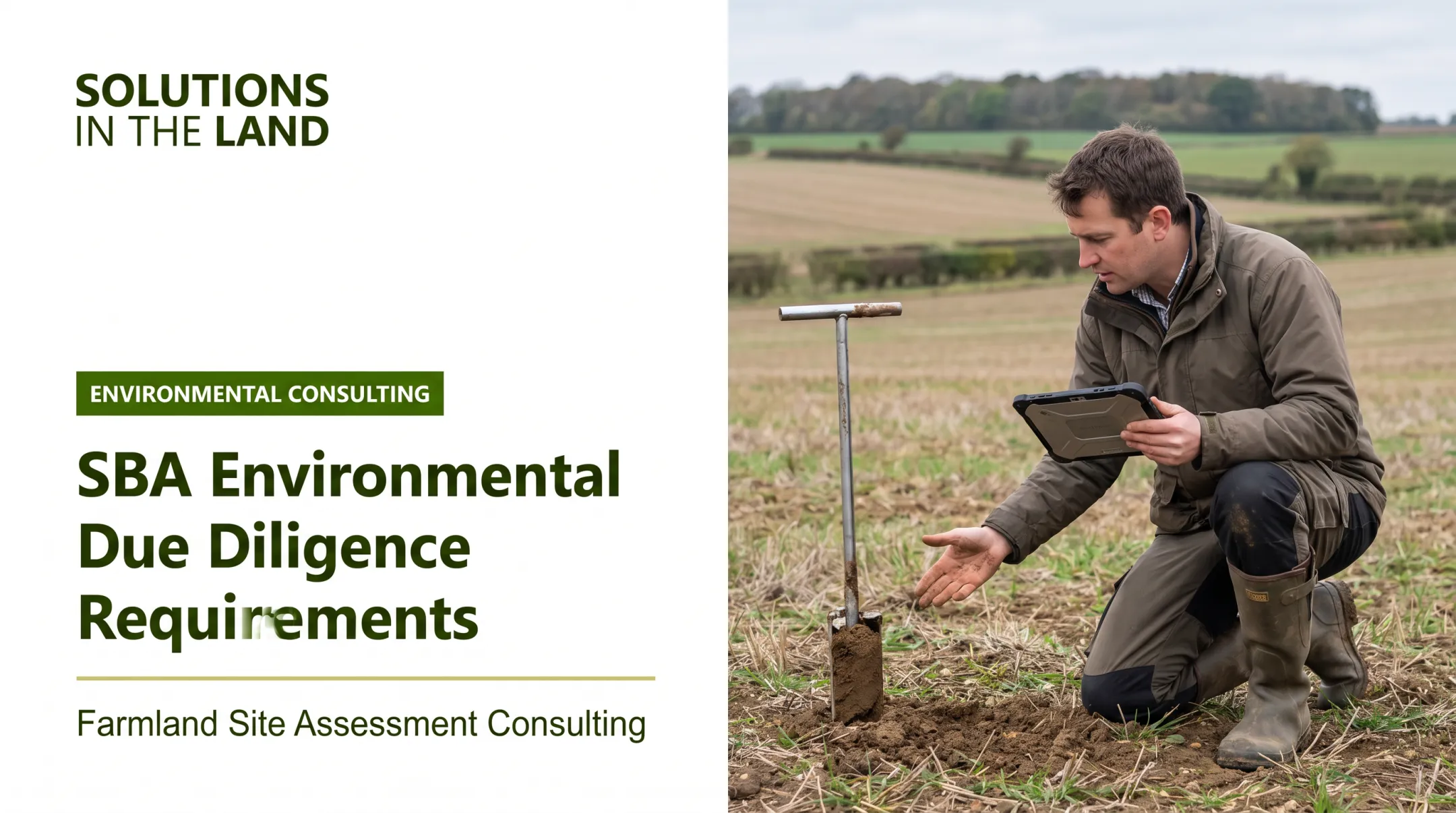
For farmland owners, Minnesota's agricultural ESA guidance flags several high-risk activity areas:
- Pesticide and fertilizer mixing, loading, and bulk storage locations
- Equipment maintenance and parking areas
- Container disposal sites
- Locations with documented spills
What elevates one of these areas to an actual REC? Evidence matters more than category:
- Stained soil or pavement near storage or mixing areas
- Unusual chemical odors
- Distressed or dead vegetation in a localized pattern
- Damaged, abandoned, or unmarked tanks and drums
- Visible dumping or waste disposal areas
Nearby Properties Matter, Too
A release on an adjoining property can migrate onto the subject site through soil, groundwater, surface water, or vapor pathways. Proximity to a known contamination source raises a question worth investigating, but proximity alone isn't evidence of an actual concern on your property.
How RECs Are Identified in a Phase I ESA
Environmental Professionals base REC findings on five core Phase I ESA activities:
- Historical research — reviewing aerial photographs, Sanborn fire insurance maps, city directories, and topographic maps to trace prior uses
- Regulatory database review — checking federal, state, tribal, and local environmental records for the subject property and nearby sites
- Interviews — talking with current owners, past owners, occupants, and relevant local officials
- Site reconnaissance — a visual walk-through looking for stains, odors, damaged infrastructure, or storage areas
- Records review — environmental liens, activity and use limitations, and prior environmental reports

Weighing Incomplete or Conflicting Evidence
Real-world records are rarely tidy. An Environmental Professional has to weigh gaps in historical documentation, conflicting witness accounts, and ambiguous regulatory closure letters against the property's current and reasonably anticipated future use.
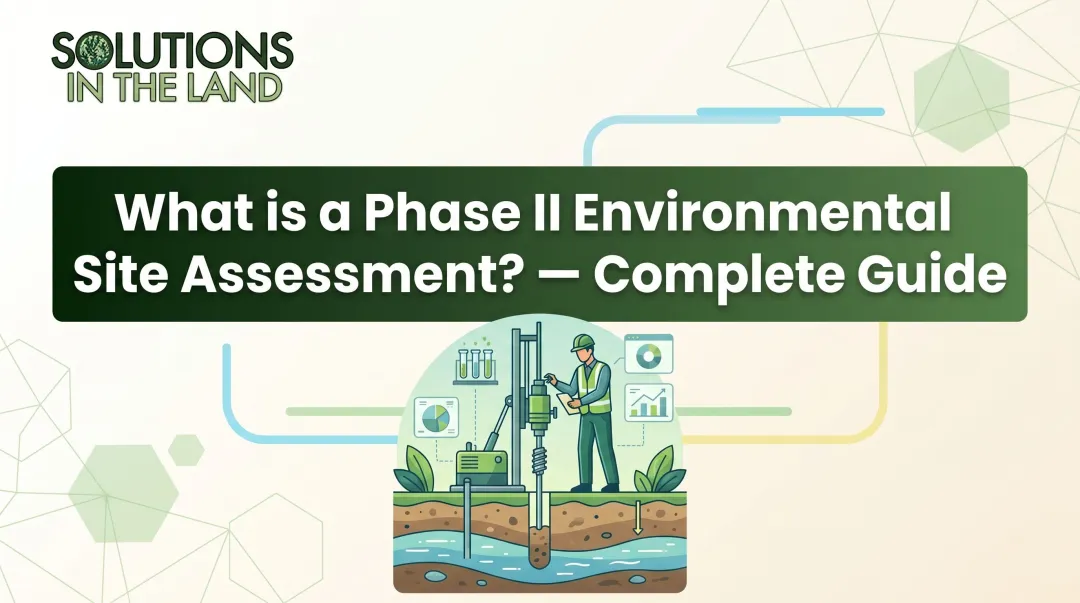
A standard Phase I ESA generally does not include soil, groundwater, or vapor sampling. It is a records-and-observation process. When evidence suggests a release may have occurred—or its extent needs defining—a Phase II ESA is typically recommended.
A Quick Report Checklist
Before you accept a Phase I ESA report at face value, review these sections:
- Identified RECs, CRECs, and HRECs
- Historical use summary
- Regulatory database findings
- Site observation notes
- Disclosed data gaps
- Recommendations for further action
- Any land-use controls referenced
- Dates for each required component (not just the report's cover date)
What a REC Means for a Property Transaction
A REC finding ripples through nearly every part of a deal. It can affect financing terms, insurance underwriting, appraised value, redevelopment design, and closing timelines. Not every REC carries the same weight. A documented petroleum spill from decades ago with regulatory closure looks very different from an active industrial discharge.
Next Steps Depend on the Finding
Depending on what's disclosed, typical next moves include:
- Requesting clarification from the Environmental Professional
- Reviewing supporting regulatory or historical records
- Commissioning a Phase II ESA for sampling
- Consulting the relevant regulatory agency directly
- Negotiating who handles investigation or cleanup costs
- Adjusting the planned use of the property
Intended Use Changes the Risk Calculus
A REC that's manageable for a warehouse or working farmland might be disqualifying for residential development or a sensitive use next to homes or schools.
Exposure assumptions and cleanup expectations shift with intended use:
- Agricultural — soil, irrigation water, and food-chain pathways often drive the analysis
- Industrial or commercial — worker exposure and redevelopment design usually dominate
- Residential or sensitive uses — stricter cleanup targets and fewer acceptable residual conditions
Ongoing Obligations With Controlled Conditions
If a property carries a CREC, expect potential ongoing requirements such as:
- Deed notices or activity and use limitations
- Groundwater use restrictions
- Engineered caps or vapor mitigation systems
- Periodic monitoring, inspection, and maintenance
State and local rules vary substantially here, so confirm the specific requirements that apply to your jurisdiction and property.
Don't Evaluate a REC in Isolation
A REC is only one input in the deal. Title issues, zoning constraints, wetlands, flood risk, structural conditions, and market feasibility still have to support a sound purchase or redevelopment decision.
AAI Timing and Report Validity
AAI generally must be completed within one year before acquisition. Five components must be conducted or updated within 180 days of acquisition:
- Interviews
- Lien searches
- Government records review
- Visual inspections
- The environmental professional's declaration
A report's cover date does not automatically mean every component inside it meets that window. Confirm current EPA and ASTM requirements before assuming a report is still valid for your closing date.
What to Do After a REC Is Reported
Getting a REC in your report isn't the moment to panic or to walk away automatically. It's the moment to slow down and ask sharper questions.
- Read the exact REC language in the report before reacting to a summary or a broker's paraphrase.
- Ask the Environmental Professional what evidence supports the finding: historical use, database hit, physical observation, or something else.
- Identify data gaps the report flagged, since these often shape whether further investigation is warranted.
- Confirm the classification: is this concern active, historical, controlled, or arguably de minimis?
- Decide whether a Phase II ESA makes sense. A well-scoped Phase II sets sampling media, target contaminants, locations, lab methods, and screening criteria tied to your intended use.

Bring in the Right People
Depending on what the finding involves, loop in the right stakeholders before moving forward:
- Environmental professionals
- Real estate attorneys
- Lenders and insurers
- Regulators
- The seller, when appropriate
Document every decision in writing before closing or breaking ground:
- Site access permissions
- Assigned responsibilities
- Land-use restrictions
- Cleanup commitments
- Reporting obligations
For agricultural landowners, a REC finding often raises a related question: what does this mean for how the land gets farmed going forward?
Solutions in the Land works with farmland owners on whole-system farm planning and regenerative agriculture transition strategies that account for site-specific conditions, including areas flagged in environmental due diligence.
This planning complements a Phase I ESA, Phase II ESA, regulatory review, or legal advice. It is not a substitute. It picks up after those pieces are in place and helps landowners weigh how remaining restrictions or land-use controls shape future farm operations.
Frequently Asked Questions
How much does a Phase I Environmental Site Assessment cost?
Pricing varies with property size, location, historical complexity, records access, and how tight your transaction timeline is. Ask your consultant what's included in the scope before comparing quotes.
How long does a Phase I ESA take?
Timelines depend on site complexity, how quickly historical and regulatory records can be pulled, interview scheduling, and site access. Fieldwork is often quicker than final report delivery, since research and professional review take time.
What is a recognized environmental condition (REC) in a Phase I ESA?
A REC is the presence, likely presence, or material threat of hazardous substances or petroleum products due to a release, as defined under the current ASTM standard. It's a professional finding, not confirmed contamination.
Does a REC mean that contamination has been confirmed?
No. A REC identifies a credible concern based on available records and observations. Confirming actual contamination and its extent typically requires sampling through a properly scoped Phase II ESA.
What is the difference between a REC, HREC, and CREC?
A REC is an active or potentially active concern. An HREC is a past release addressed to regulatory satisfaction with no ongoing controls. A CREC is an addressed release that still carries required controls or use restrictions.
What should I do if my Phase I ESA identifies a REC?
Review the finding with the Environmental Professional, ask what evidence supports it, and determine whether a Phase II ESA or regulatory consultation is warranted. Build appropriate protections into your transaction before proceeding.