What is due diligence in environmental consulting?
Due diligence in environmental consulting is the process of evaluating a property for environmental risks, constraints, and compliance considerations before a purchase, lease, financing event, or land-use change. It often includes reviewing site history, current conditions, potential contamination concerns, soil and water issues, and stewardship obligations so decision-makers can better understand liabilities and opportunities before moving forward.
What does a due diligence consultant do?
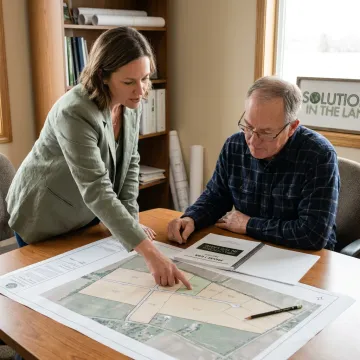
A due diligence consultant investigates environmental conditions that could affect a property’s value, usability, compliance status, or long-term management. This may include site assessments, document review, land-use analysis, and identifying environmental concerns tied to soil health, water quality, conservation obligations, or prior site activity. The goal is to provide clear findings that support negotiations, planning, and risk reduction.
When should I hire an environmental due diligence consultant?
You should hire an environmental due diligence consultant before buying, leasing, refinancing, developing, or materially changing the use of a property. Early review helps uncover environmental concerns before contracts are finalized or investments are made. It is especially valuable for farmland, conservation-sensitive land, inherited property, and sites with unclear historical use, because unresolved issues can affect cost, compliance, and future operations.
What is included in an environmental site assessment?
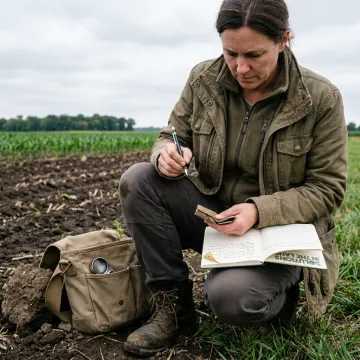
An environmental site assessment typically includes a review of available records, site history, visible property conditions, surrounding land uses, and indicators of potential environmental concern. Depending on the property and project goals, it may also consider soil conditions, drainage, water quality factors, conservation features, and regulatory context. The final deliverable usually summarizes findings, identifies risks, and outlines recommended next steps.
Can environmental due diligence help with farmland transactions?
Yes. Environmental due diligence is highly valuable in farmland transactions because it helps buyers, sellers, and landowners understand site conditions that affect productivity, stewardship obligations, and long-term value. Reviews may identify drainage concerns, conservation commitments, soil health issues, prior land-use impacts, or environmental constraints that should be addressed in pricing, lease terms, transition planning, or management strategy.
How long does environmental due diligence usually take?
The timeline depends on the property size, complexity, available records, and scope of review. A straightforward assessment may move relatively quickly, while larger or more complex properties can require additional research, coordination, and field evaluation. Projects involving multiple parcels, conservation considerations, or unclear site history often take longer because the consultant must verify more information and provide a more detailed risk picture.
What kinds of clients use environmental due diligence services?
Environmental due diligence services are commonly used by landowners, farmers, agricultural investors, family offices, institutions, planners, and stakeholders evaluating land-use decisions. These services are especially useful for clients managing inherited property, conservation-oriented land, transition projects, or sites with operational or environmental uncertainty. The process helps each party make decisions with better documentation, clearer expectations, and reduced exposure to avoidable risk.
Will environmental due diligence identify stewardship opportunities too?
Yes. Strong environmental due diligence does more than flag risks; it can also reveal practical stewardship opportunities that improve long-term land performance. Depending on the site, this may include conservation planning, soil health improvements, water quality protections, habitat enhancements, or management changes that align environmental responsibility with economic resilience. That broader perspective is especially valuable for clients planning long-term ownership or land transitions.