What is a contaminated land assessment?
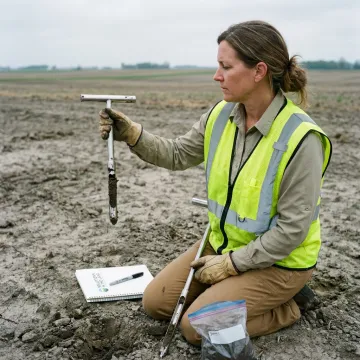
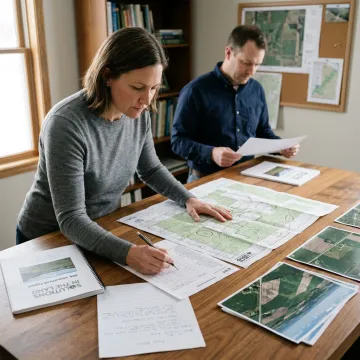
A contaminated land assessment is a structured evaluation of a property to identify actual or potential environmental contamination. It typically includes a records review, site history, visual inspection, and, when needed, sampling of soil, groundwater, or other media. The goal is to understand site conditions, assess risk, support regulatory compliance, and guide appropriate cleanup or redevelopment decisions.
When should I schedule a contaminated site assessment?
A site assessment is commonly scheduled before buying or redeveloping property, after discovering spills or unusual site conditions, or when historical land uses suggest possible contamination. It is also useful when lenders, investors, or public agencies require environmental due diligence. Early assessment helps define risks, avoid costly surprises, and create a clearer path for planning, cleanup, or reuse.
What does a cleanup plan usually include?
A cleanup plan usually outlines the contaminants of concern, affected areas, exposure risks, remediation goals, recommended cleanup methods, and documentation requirements. It may also include sequencing, monitoring, disposal considerations, and coordination with regulators or other project stakeholders. A strong plan gives property owners a practical roadmap for reducing risk while supporting future land use, redevelopment, or ongoing site management.
Do all contaminated sites require soil or groundwater testing?
Not every site requires immediate testing, but many do when records, site history, or visible conditions indicate potential contamination. Initial assessments often begin with document review and site reconnaissance. If concerns remain, targeted sampling helps confirm whether contaminants are present, where they are located, and how severe the issue may be. Testing supports better decisions and more defensible cleanup planning.
How long does contaminated site assessment and cleanup take?
Timelines vary based on site size, historical use, suspected contaminants, access, sampling needs, and regulatory review requirements. An initial assessment may take days to a few weeks, while cleanup planning and remediation can extend much longer depending on complexity. Projects move more efficiently when documentation is organized early, site conditions are clearly defined, and stakeholders align on goals and next steps.
Can contaminated land be redeveloped after cleanup?
Yes, many contaminated properties can be redeveloped after proper assessment and cleanup. The key is matching remediation work to the intended future use of the site, whether commercial, agricultural, mixed-use, or open space. Clear documentation, risk evaluation, and appropriate cleanup measures help demonstrate that the property is suitable for reuse and support smoother planning, financing, and project approvals.
Who needs contaminated site assessment and cleanup services?
These services are valuable for landowners, developers, investors, municipalities, agricultural stakeholders, and organizations managing property with known or suspected environmental issues. They are especially important when land has a complex history, changing use, or redevelopment potential. Assessment and cleanup support helps each party understand liabilities, protect future plans, and make informed decisions based on documented site conditions.
What are the benefits of working with a site-specific environmental consultant?
A site-specific consultant looks beyond generic recommendations to evaluate the property’s history, current conditions, intended use, and practical constraints. That approach can improve the quality of findings, make cleanup planning more realistic, and support better coordination among stakeholders. It also helps clients prioritize actions, strengthen documentation, and pursue environmental solutions that are both responsible and workable for the site.