What is a Phase I Environmental Site Assessment?
A Phase I Environmental Site Assessment is a non-intrusive environmental due diligence review used to identify potential contamination risks associated with a property. It typically includes a records review, site visit, interviews, and a written report that evaluates recognized environmental conditions. Buyers, lenders, and developers often request it before acquisition, refinancing, or redevelopment.
When do I need a Phase I Environmental Site Assessment?
You typically need a Phase I ESA before purchasing commercial or industrial property, refinancing, seeking lender approval, or planning redevelopment. It is especially important for sites with older buildings, industrial history, fuel storage, or uncertain prior uses. In Detroit, many legacy properties benefit from early environmental review before closing or project planning begins.
What does a Phase I ESA include?
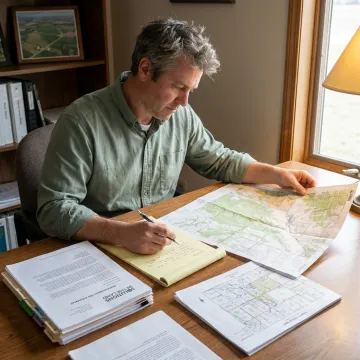
A standard Phase I ESA usually includes a review of historical records, regulatory databases, aerials, maps, and available environmental documents, along with a site reconnaissance and interviews with owners, occupants, or local sources when available. The final report summarizes findings and identifies recognized environmental conditions that may warrant additional investigation.
How long does a Phase I Environmental Site Assessment take?
Timing depends on property size, complexity, record availability, and transaction deadlines, but many Phase I ESAs are completed within a few weeks. More complex sites with long operating histories or multiple parcels may take longer. Starting early helps avoid delays in financing, purchase agreements, or redevelopment schedules tied to environmental due diligence.
Does a Phase I ESA include soil or groundwater testing?
No. A Phase I ESA is generally a non-invasive assessment and does not include sampling, drilling, or laboratory testing. Its purpose is to identify potential environmental concerns based on records, observations, and interviews. If the assessment finds recognized environmental conditions, a Phase II investigation may be recommended to evaluate soil, groundwater, or vapor impacts.
What kinds of properties should have a Phase I ESA?
Commercial, industrial, agricultural, vacant land, and many multifamily or mixed-use properties can benefit from a Phase I ESA, especially when there is a history of industrial activity, storage tanks, chemical use, or redevelopment. In Detroit, former manufacturing sites, warehouse properties, and infill redevelopment parcels often require careful environmental review before a transaction proceeds.
Will a Phase I ESA help with lender or investor requirements?
Yes. Many lenders and investors require a Phase I ESA as part of their underwriting and risk management process. A well-prepared report helps document environmental due diligence, supports informed decision-making, and can clarify whether additional investigation is needed. It is often a key step in commercial real estate financing and acquisition review.
What happens if environmental concerns are found?
If the Phase I ESA identifies recognized environmental conditions, the next step is usually to evaluate the significance of those findings and determine whether additional investigation is appropriate. That may include a Phase II assessment, file review, or risk management planning. The goal is to help you understand liability, transaction implications, and practical options before moving forward.